What have I learned this semester.

In English 1302 I had the opportunity to expand my writing capabilities and also to have the ability to delve deeper into a subject that I may be writing. Last semester in 1301 my writing ability improved tremendously compared to other years. I was able to give my writing character, a personality, and more unique and defined.

Having an expanded vocabulary now in my writing made the writing material more interesting and interactive. The writing was more unique and less repetitive. A repetitive paper can make the paper feel as if the writer is only repeating themselves over and over again.

Being able to dig deeper into a subject while writing can make the paper flow better and will add more detail than what is initially shown. This semester, I was able to learn these new skills, and ultimately made me a substantially better writer than I’ve ever been. Having these new writing skills have prepare me for the future.

Why do we still read Shakespeare

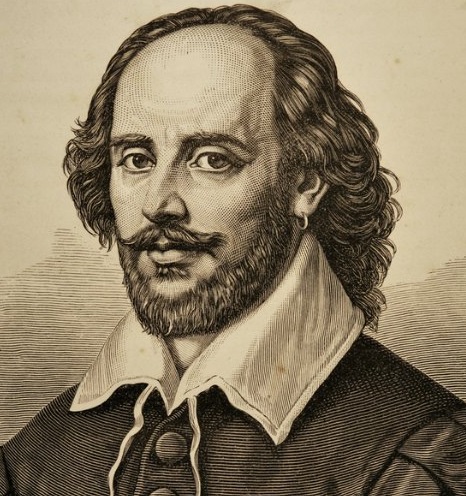
Studying Shakespeare can inform audiences and give insight into the English language. Shakespeare had many different types of plays. He had comedies, histories, and tragedies. Histories were about kings and other famous people in history. Comedies were funny and had many jokes. Tragedies were focused on the death of the main character.

This week and the weeks before we read Macbeth thoroughly and discussed the deeper meaning of the text. We even turned Shakespeare’s words into modern English. Analyzing the text and reading in between the lines helped me understand the way Shakespeare uses certain words against others. This week I experienced a lot of arguing and convincing. I had to perform both arguing and convince. I argued for more time during a certain activity and when the answer given was a no I proceeded to convince them.

Work Cited: https://www.bbc.co.uk/newsround/31941581 https://www.williamshakespeare.net/

Why should we study Shakespeare?

William Shakespeare was a famous English poet in the 16th century. Shakespeare was born in 1564 in Stratford-upon-Avon, United Kingdom. He wrote at least 37 plays in his lifetime.

Studying Shakespeare can inform audiences and give new insight into the English language. Shakespeare had many different types of plays. He had histories, comedies, and tragedies. Histories were about kings and other famous people in history. Comedies were funny and had many jokes. Tragedies were focused on the death of the main character.

Shakespeare created numerous words that are still used today. Such words include:

  • amazement
  • gossip
  • unreal
  • puking
  • swagger
  • fashionable

In class this week we started to study Shakespeare and who he was. We are also learning about the impact that he left on modern society and the language created. I did not experience much rhetoric during the week due to e being very tired and not willing to socialize.

Work Cited: https://www.bbc.co.uk/newsround/31941581 https://www.williamshakespeare.net/

Plagiarism and Academic dishonesty

According to the Merriam-Webster dictionary, the word “plagiarize” means to “steal or pass off the ideas or words of another as one’s own.” It also means to “use another’s production without crediting the source.”

Berkeley City College/Wikipedia states that “academic dishonesty” can be plagiarism, fabrication, deception, cheating, or sabotage. Both plagiarism and academic dishonesty have serious consequences.

This week in class, we analyzed paper mill websites and worked on our upcoming essay. In my life this week I did not experience much rhetoric for me to remember due to not talking to people very often.

Work Cited: https://www.merriam-webster.com/dictionary/plagiarize https://www.berkeleycitycollege.edu/wp/de/what-is-academic-dishonesty/ http://en.wikipedia.org/wiki/Academic_dishonesty

Lab 4 (Visual Rhetoric)

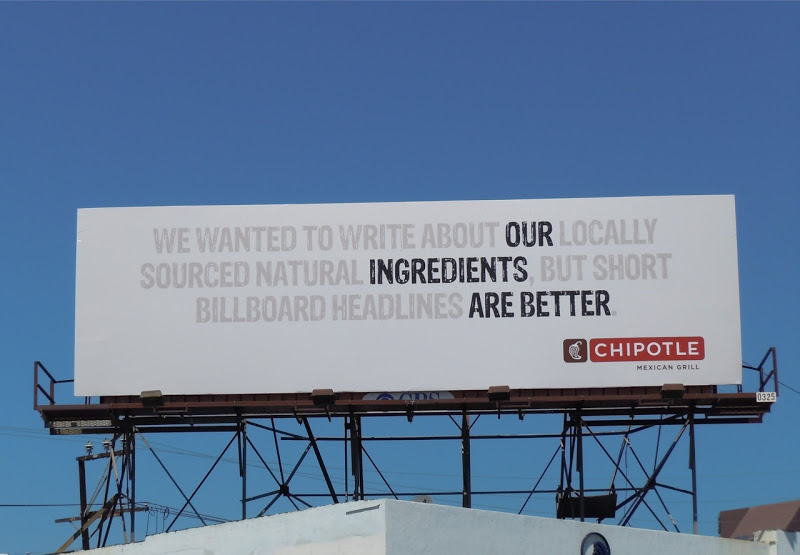
The definition of “visual rhetoric” is the means of communication through visual cues such as images or text. Text that is bolded, italicized, or even underlined can add necessary emphasis to text. Adding emphasis to text can bring deeper meaning to certain words and also draw people to the word. Billboards often use visual rhetoric by writing in a certain font and adding emphasis to certain words. Adding a picture can make the audience look at the picture to grab their attention and read the rest of the advertisement.

https://www.dailybillboardblog.com/2010/09/chipotle-our-ingredients-are-better.html

In the picture above, Chipotle made a billboard that is all white and the majority of the letters are off white. The prominent letters shown are black drawing the attention of readers to those words specifically.

This week in class we discussed more about Hamilton and a mixtape from the play. We analyzed the visual aspects of the video, looking at the choice of color and theme. When color was used it was to emphasize the object the color was associated with. I personally did not experience rhetoric this week due to me not wanting to interact with people that often.

Works Cited: https://en.wikipedia.org/wiki/Visual_rhetoric

Style in argument

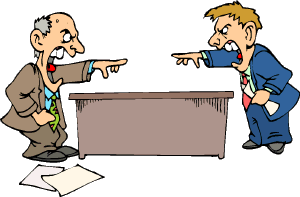
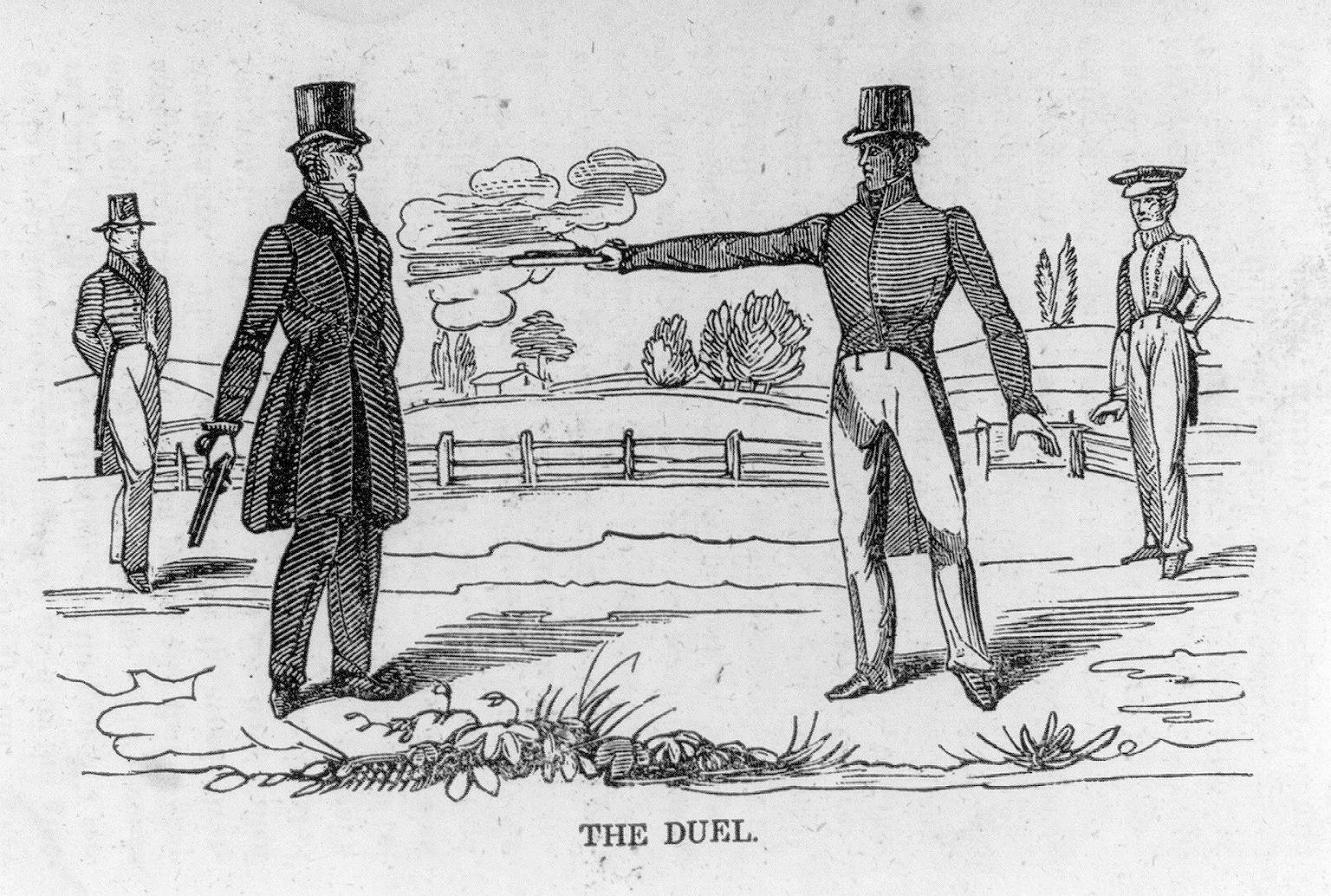
People argue, it is human nature. People always argue to get what they want. In its basic form the word argument is exchanging opposite views back and forth. In Hamilton there are many song that are argumentative. For example there is a song called “Blow Us All Away,” in this song Hamilton’s son Philip argues with George Eacker and is challenged to a duel.

This week I personally used rhetoric to convince my parents to let me go by myself to get my haircut. After a long time of arguing and convincing I was able to drive to Garland to get my haircut.

In class we discussed deep questions about the musical Hamilton and began to delve deeper into the text/lyrics to understand why the author wrote what he did.

Work cited: Miranda, Lin-Manuel. “Hamilton: An American Musical.” Hamilton: The Revolution, edited by Jeremy McCarter, Grand Central Publishing, 2016, pp. 23-26.

Lab 2

In class this week, we analyzed and interpreted the lyrics of Hamilton to find a deeper meaning. For the most part we discussed the song “My Shot” and how Hamilton was not afraid to speak his mind. On our own the students had to choose a song to interpret the lyrics and find “ethos logos and pathos” in the text.

During the week, I personally have experienced rhetoric. There were many different ways that a speaker had encouraged people to go out into the world and do anything. For example, a church pastor had said that “instead of trying to get revenge, forgive them.” The way the pastor had spoken could’ve encouraged anybody in the church to forgive their enemy.


Andrew Jackson killing Charles Dickenson in 1806. Woodcut print, 1834. (Library of Congress)

This week, I am going to be working on Hamilton’s “Helpless” and I will be looking for ethos, logos, and pathos. Having to delve deeper into text will give me a deeper understanding of both the lyrics and their meaning.

Works Cited:
Hamilton: An America Musical. Performances by Lin-Manuel Miranda, Leslie Odom Jr., Phillipa Soo, and Jonathan Groff. Atlantic Records, 2015.

What I hope to accomplish

In English 1302 I hope to expand my writing capabilities and also to have the ability to delve deeper into a subject that I may be writing. Last semester in 1301 my writing ability improved tremendously compared to other years. I also hope to give my writing a character, a personality, to make my writing more unique and defined.

Having an expanded vocabulary in writing can make the writing material more interesting while being interactive. The writing will be more unique and less repetitive. A repetitive paper can make the paper feel as if the writer is only repeating themselves over and over again.

Being able to dig deeper into a subject while writing can make the paper flow better and will add more detail than what is initially shown. This semester, if I were to learn these new skills, could ultimately make me a substantially better writer than I’ve ever been. Having these new writing skills can prepare me for the future.